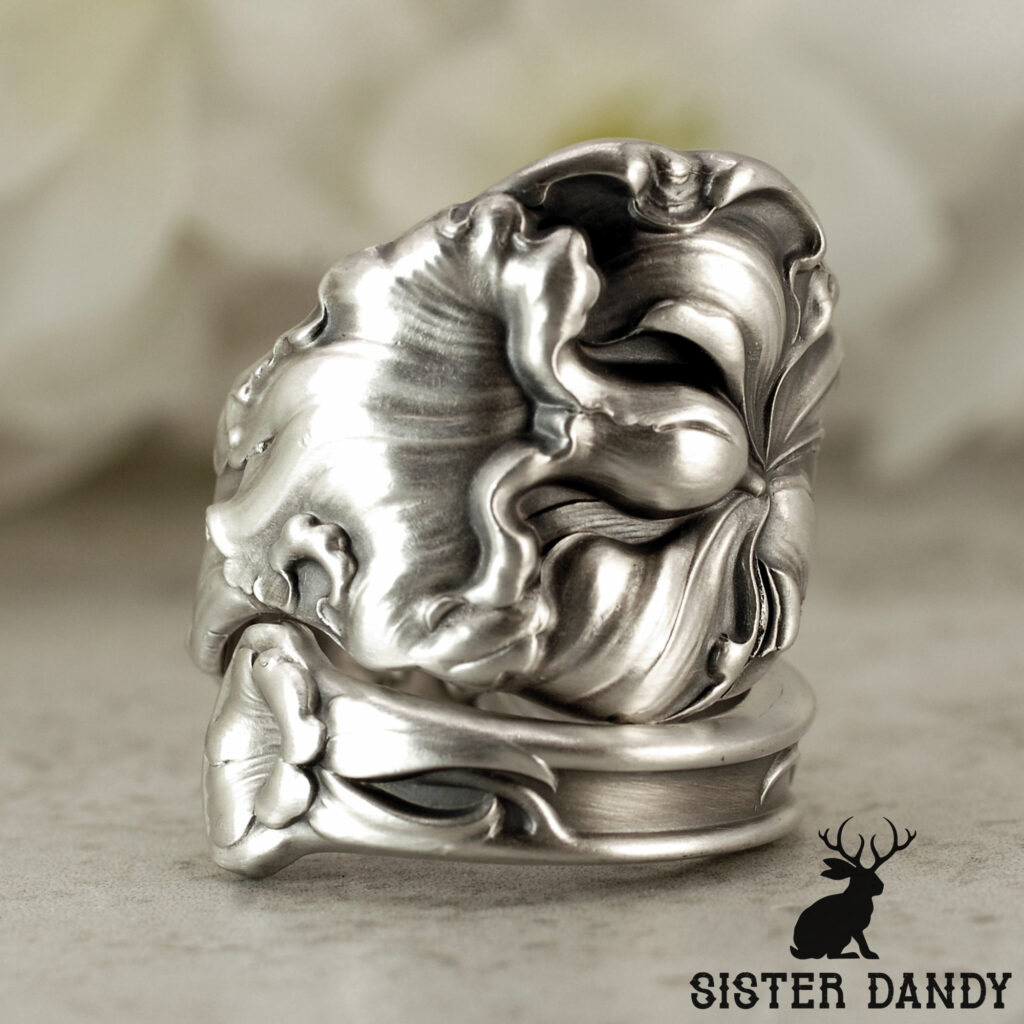

At Sister Dandy, every antique spoon ring begins with a story. Before it becomes jewelry, each spoon may have lived on a family table, rested inside a silver chest, or been saved for the good china kind of occasions. Mike carefully sources original antique silver spoons and cutlery from around the world, which means our rings may begin as pieces from England, France, Norway, Denmark, and beyond. Because these pieces come from different countries and time periods, they do not all share the same silver grade. That variety is part of the magic, because every Sister Dandy ring arrives with its own tiny passport, personality, and past life.
Customers often ask why one spoon ring is marked sterling while another may be marked 830, 950, or with another silver stamp. Those little numbers may look like secret codes, but they are really silver’s way of introducing itself. They tell us how much pure silver is in the piece and sometimes hint at where the spoon first began its journey. Different countries followed different rules based on their laws, traditions, trade, and everyday needs. Once you understand the numbers, each ring becomes more than jewelry. It becomes a miniature world traveler with a story wrapped around your finger.
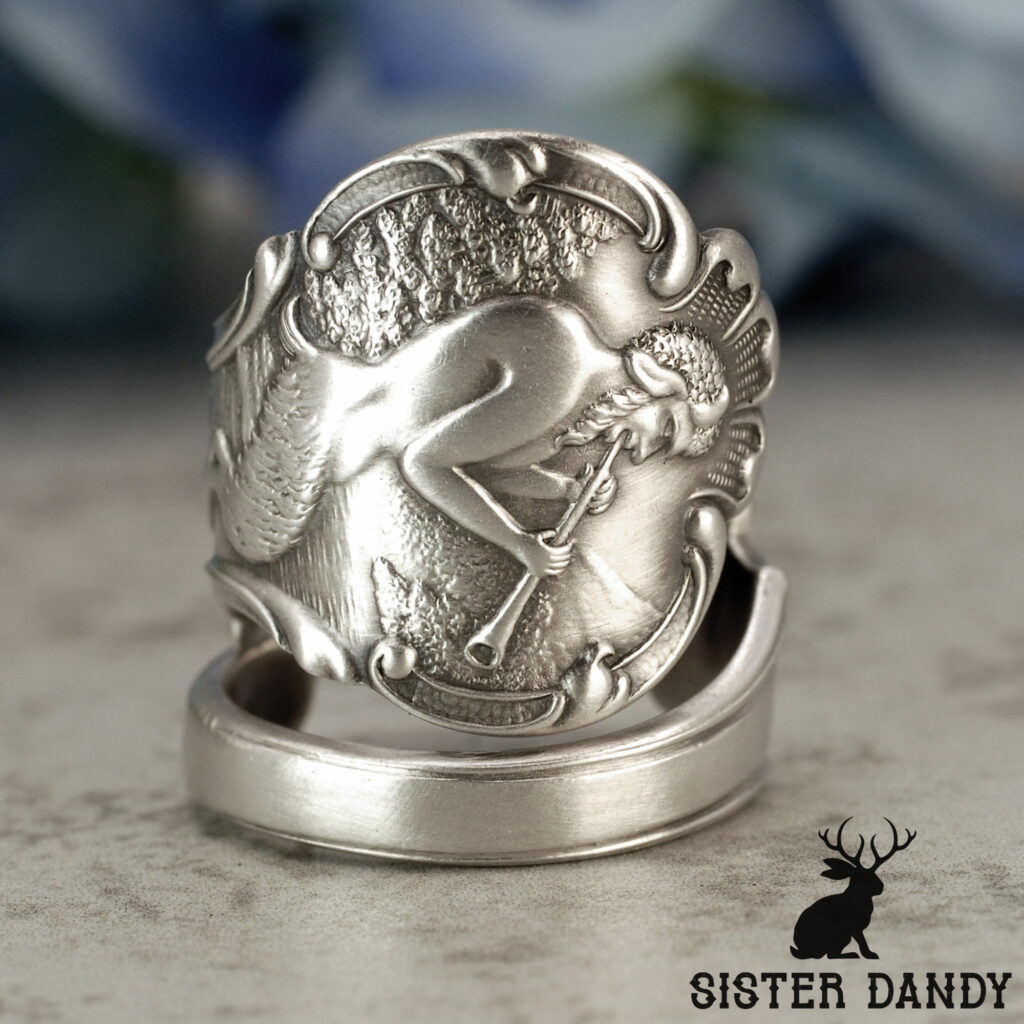
What Silver Grades Tell Us About Antique Silver
A silver grade tells us the amount of pure silver in a piece. Sterling silver is marked 925 because it contains 92.5 percent pure silver. French 950 silver contains 95 percent pure silver, while Scandinavian 830 silver contains 83 percent pure silver. Pure silver is beautiful and bright, but it is also soft, a bit like a dreamer who needs a practical friend. So makers often mixed it with another metal to create strength, making it better suited for spoons, serving pieces, and jewelry that could be worn, loved, and passed along.
Silver Grades You May See in Antique Spoon Rings
Sterling Silver: The Classic Standard
Sterling silver is one of the most familiar and widely recognized silver standards. It contains 92.5 percent pure silver and is commonly marked 925. This standard became especially popular in Britain and the United States because it offers an appealing balance of brightness, strength, and durability. For spoon rings, sterling silver is valued for its classic appearance, reliable quality, and long-standing reputation.
Britannia Silver
Britannia silver contains approximately 95.8 percent pure silver, giving it a higher silver content than sterling. As a British standard, it is known for its refined appearance and historical significance. Because Britannia silver is softer than sterling, it was often used for finer pieces rather than objects intended for heavy everyday use. A Britannia silver spoon ring may appeal to collectors who appreciate rarity, elegance, and traditional British craftsmanship.
French Silver
French silver is often found in 950 silver, which contains 95 percent pure silver and is known for its bright, luminous finish. France also used 800 silver for pieces that required greater durability. Antique French spoons frequently feature graceful shapes, romantic patterns, and detailed hallmarks. When made into a ring, French silver offers a refined, feminine, and timeless quality.
German Silver
German silverware commonly appears in 800 or 835 silver. These grades contain less pure silver than sterling, but they are strong and practical, making them well suited for cutlery. Antique German spoons often feature sturdy construction, balanced proportions, and distinctive European detailing. A German silver spoon ring is a strong choice for those who appreciate jewelry with history, substance, and understated character.
Scandinavian Silver
Scandinavian silver, particularly from Norway and Denmark, often appears as 830 silver, meaning it contains 83 percent pure silver. Scandinavian design is widely associated with clean lines, restrained beauty, and thoughtful craftsmanship. While 830 silver is not sterling, it is still a solid silver standard with a meaningful regional history. Spoon rings made from Scandinavian silver often have a quiet, elegant simplicity.
Russian Silver
Russian antique silver may be marked 84, a number that comes from the old Zolotnik system. In modern terms, 84 zolotnik equals 875 silver, or 87.5 percent pure silver. Russian silver may also include marks connected to a city, maker, or period of production. These pieces are often appreciated for their historical depth, distinctive hallmarks, and dramatic design traditions.
Mexican Silver
Mexican silver is known for bold artistry, expressive forms, and a rich tradition of silversmithing. Mexican pieces may be marked 925, 950, 970, or 980, depending on the maker and the individual piece. Taxco, in particular, helped establish Mexico’s international reputation for silver jewelry and decorative arts. A Mexican silver spoon ring often brings strong design character and cultural significance to a collection.
Other Global Silver Standards
Dutch, Austrian, Swiss, and Japanese silver add further variety to antique silver standards. Dutch silver may appear as 833, while Austrian pieces may use older hallmarking systems. Swiss silver may appear as 935, and Japanese silver may be marked 800, 925, 950, or higher. Together, these global standards show how antique silver reflects not only material value, but also culture, craftsmanship, and place.
From Forgotten Flatware to Wearable Heirlooms
At Sister Dandy, old things are not forgotten. They are invited back to the party. Mike carefully sources original antique silver spoons and cutlery with beauty, character, and history. Some pieces arrive with floral patterns, initials, maker marks, ornate handles, or the soft patina only time can create. Our team of jewelers takes these precious heirlooms and transforms them into wearable art to be enjoyed for years to come.
Every ring is shaped with care because every spoon has already lived a life. It may have been part of a holiday table, passed through a family, or saved by someone who loved silver enough to keep it close. When that spoon becomes a ring, it keeps its history while gaining a new purpose. That is what makes Sister Dandy spoon rings different from ordinary jewelry. They are heirlooms reborn, little silver time travelers ready for their next adventure.